Sustainability · beginner · 4 min read
What Spent Coffee Grounds Actually Do for Your Garden and Compost
Spent coffee grounds add nitrogen to compost and can deodorize a fridge, but they don't repel slugs or acidify soil the way legend claims. What holds up in the garden, and what's just myth.
By The Daily Pour Editorial · Reviewed by Editorial Review · Updated 2026-08-06
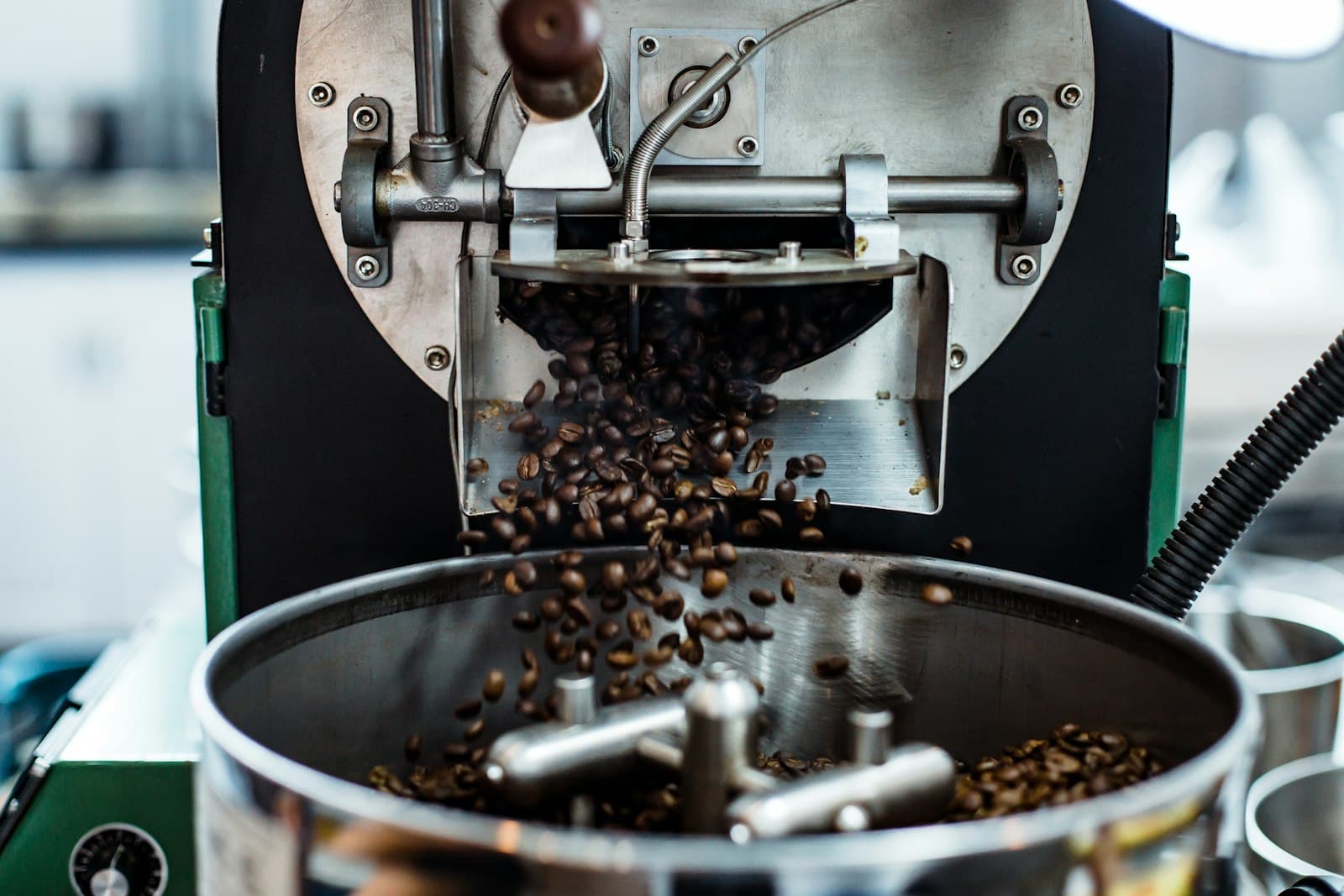
Spent coffee grounds get treated like garden magic: toss them on the soil, scatter them by the hostas, work them into the compost bin, and problems solve themselves. Some of that reputation is earned. A good amount of it isn't. Here's what spent coffee grounds actually do in compost and in the garden, and what's just a story that keeps getting repeated because it sounds plausible.
What actually holds up
Legitimate uses, in order of usefulness
- Compost addition: grounds count as a nitrogen-rich "green" even though they're brown, and they break down fast
- Odor absorber: a bowl of dry grounds in the fridge or freezer cuts lingering smells within a day or two
- Hand deodorizer: rubbing dry grounds between wet hands cuts garlic, onion, or fish smell before soap finishes the job
- Gentle abrasive: mixed with a little oil, grounds make a rough scrub for grimy pots and cutting boards
- Worm bin feed: red wigglers handle small, well-spread amounts of grounds without complaint
Grounds run roughly 2% nitrogen by weight, which puts them solidly in a compost pile's "green" category despite the color. People expect greens to look green, so this trips them up constantly. In a working pile, mix grounds through the brown material (dry leaves, cardboard, straw) rather than dumping them in one thick layer. Aim for something near 25 to 30 parts carbon to 1 part nitrogen overall. Straight grounds alone run far too nitrogen-heavy to hit that ratio on their own, so they need the browns around them.
The myths that won't die
| The claim | What actually happens |
|---|---|
| Repels slugs and snails | Weak and inconsistent at best. A ring of damp grounds does little that a beer trap or copper tape doesn't do better |
| Acidifies soil for blueberries and azaleas | Brewed grounds test close to neutral, generally pH 6.5 to 6.8, since most of the acid stayed in the coffee you drank |
| Works as mulch on its own | A thick layer mats down when wet, forming a crust that sheds water instead of letting it soak in |
| Feeds plants directly like fertilizer | They add organic matter and a little nitrogen over time, but they're no substitute for real fertilizer or finished compost |
The soil acidity myth is the most persistent, and it's backwards. Most of the acid in coffee dissolves into the cup you drink. The solids left behind test close to neutral in soil lab results, generally in the 6.5 to 6.8 range. If you're trying to lower soil pH for blueberries, elemental sulfur or an acidifying fertilizer does that job. Grounds don't. The slug story holds up slightly better: caffeine is mildly toxic to slugs at concentrated lab doses, but a scattering of grounds in the yard is nowhere near that strength, and field results stay mixed at best. Treat it as a rumor with a kernel of real chemistry in it, not a repellent you can rely on.
Take the ratios with you
Join the free newsletter and we'll send the brew ratio cheat sheet, a printable one-pager with ratios, grinds, and times for eight methods.
Keep reading

Maintenance · beginner · 4 min
How to Clean a Coffee Grinder (Burr or Blade), No Tools
Stale oils and trapped fines quietly ruin fresh beans. A five-minute monthly brush-out keeps burr and blade grinders tasting new, no water or tools needed.
Coffee basics · beginner · 4 min
How to Store Coffee Beans So Week Three Tastes Like Week One
Air, light, heat, and moisture stale your coffee, not time alone. The counter rules that keep coffee fresh, what the freezer is for, and the fridge myth.

Getting started · beginner · 5 min
How to Choose a Coffee Brewing Method You'll Stick With
The best brew method for beginners fits your mornings. Five questions to help you choose between pour-over, French press, drip, moka pot, and cold brew.