Technique · intermediate · 5 min read
Pour-Over Timing Explained: What the Bloom and 3-Minute Mark Really Do
The clock is pour-over's most misunderstood tool. What the bloom actually accomplishes, why total brew time predicts flavor, and how to read a too-fast or too-slow drawdown like a pro.
By The Daily Pour Editorial · Reviewed by Editorial Review · Updated 2026-07-16
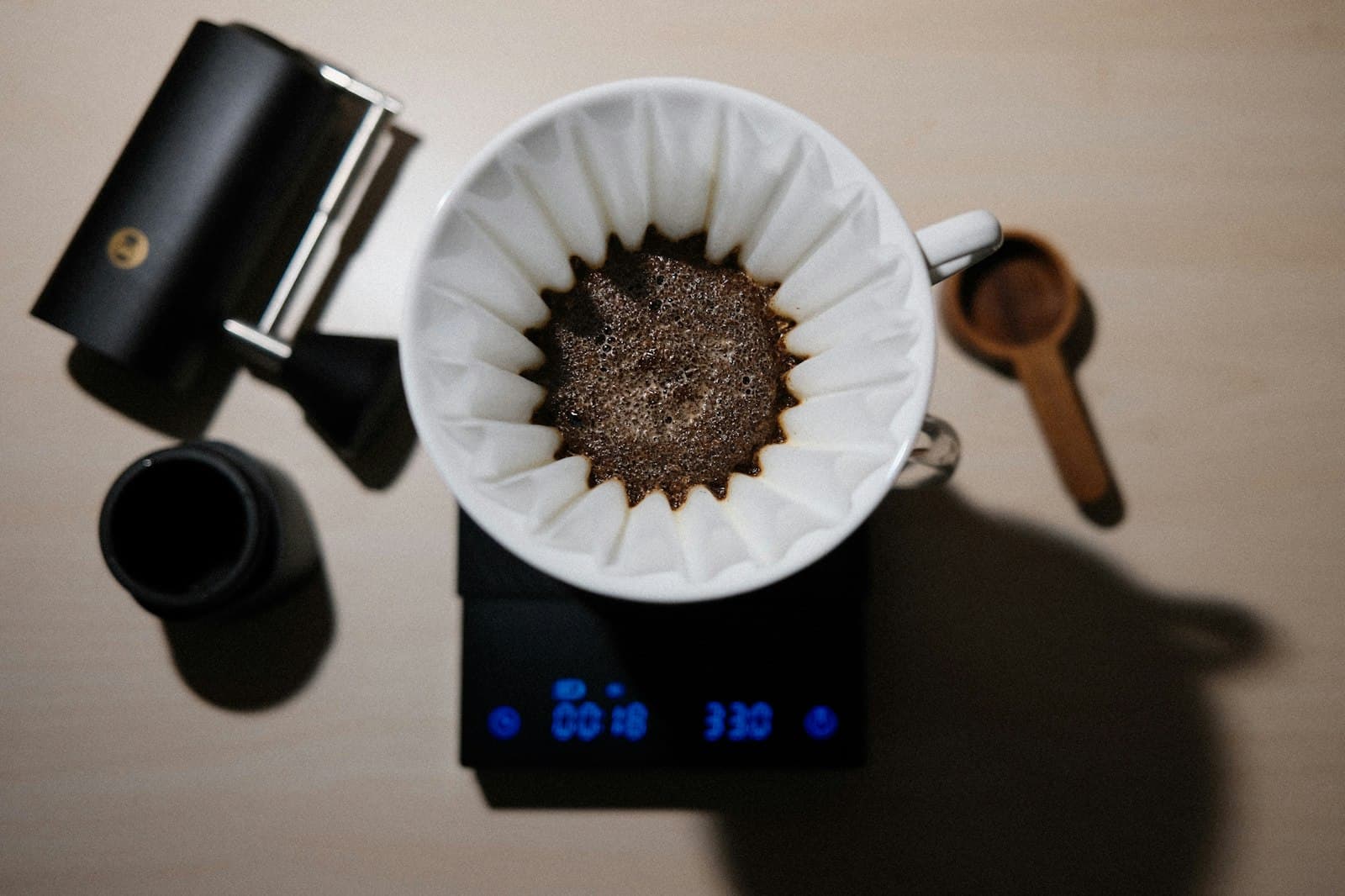
Pour-over looks like it's about pouring, but it's really about time. The clock tells you how long water and coffee were in contact, and contact time — together with grind size — is what sets extraction. Learn to read the timer and the dripper starts telling you exactly what to fix.
The bloom is a degassing step
Fresh coffee holds carbon dioxide from roasting, and CO2 physically pushes water away from the grounds. The bloom — wetting the bed with about twice its weight in water, then waiting 30–45 seconds — lets that gas escape first so the main pours extract evenly instead of channeling around gas pockets. Very fresh beans bubble dramatically; a flat, quiet bloom is a hint your beans are past their peak.
A timing template for one large mug (20 g coffee, 320 g water)
0:00 — Bloom
Pour 40–50 g of water, swirl gently, wait until 0:40.
0:40 — First main pour
Pour steadily in small circles to about 200 g total.
1:20 — Second pour
Top up to 320 g, pouring gently to keep the bed flat.
2:30–3:15 — Drawdown
The bed drains and flattens. Total time near three minutes is the healthy zone for a single mug.
Total time is your diagnostic. Finished in under two minutes? Water raced through — grind finer or pour more slowly. Dragging past four? The bed choked — grind coarser and pour in fewer, steadier additions. Judge flavor first, but let the clock explain what happened.
Keep reading
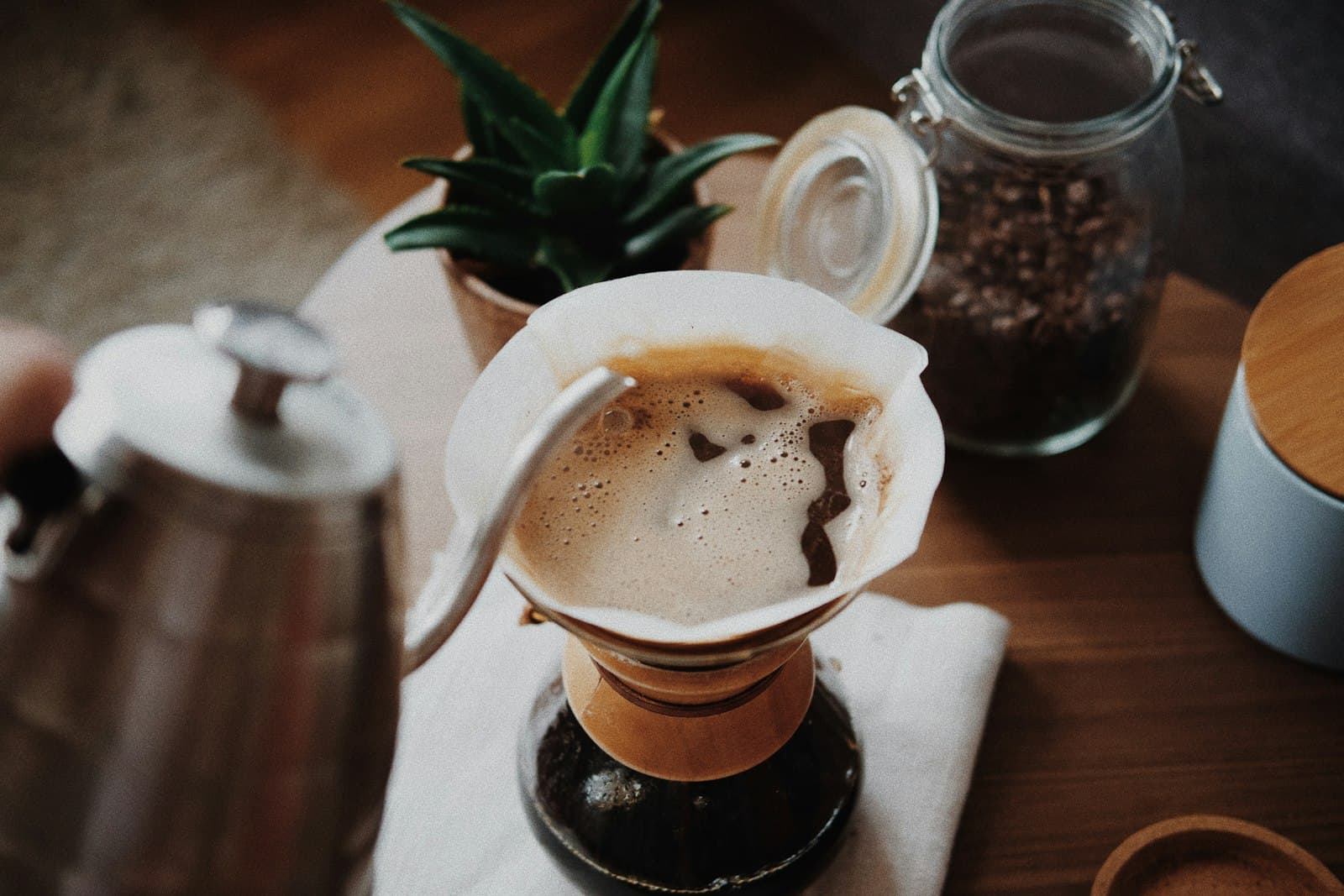
Brew guide · beginner · 5 min
Pour-Over Coffee, Step by Step: A Clean, Bright Cup in Four Minutes
The full pour-over method for a cone dripper: dose, bloom, two pours, and a three-minute finish. Clear numbers for one mug, plus the two adjustments that fix nearly every off cup.
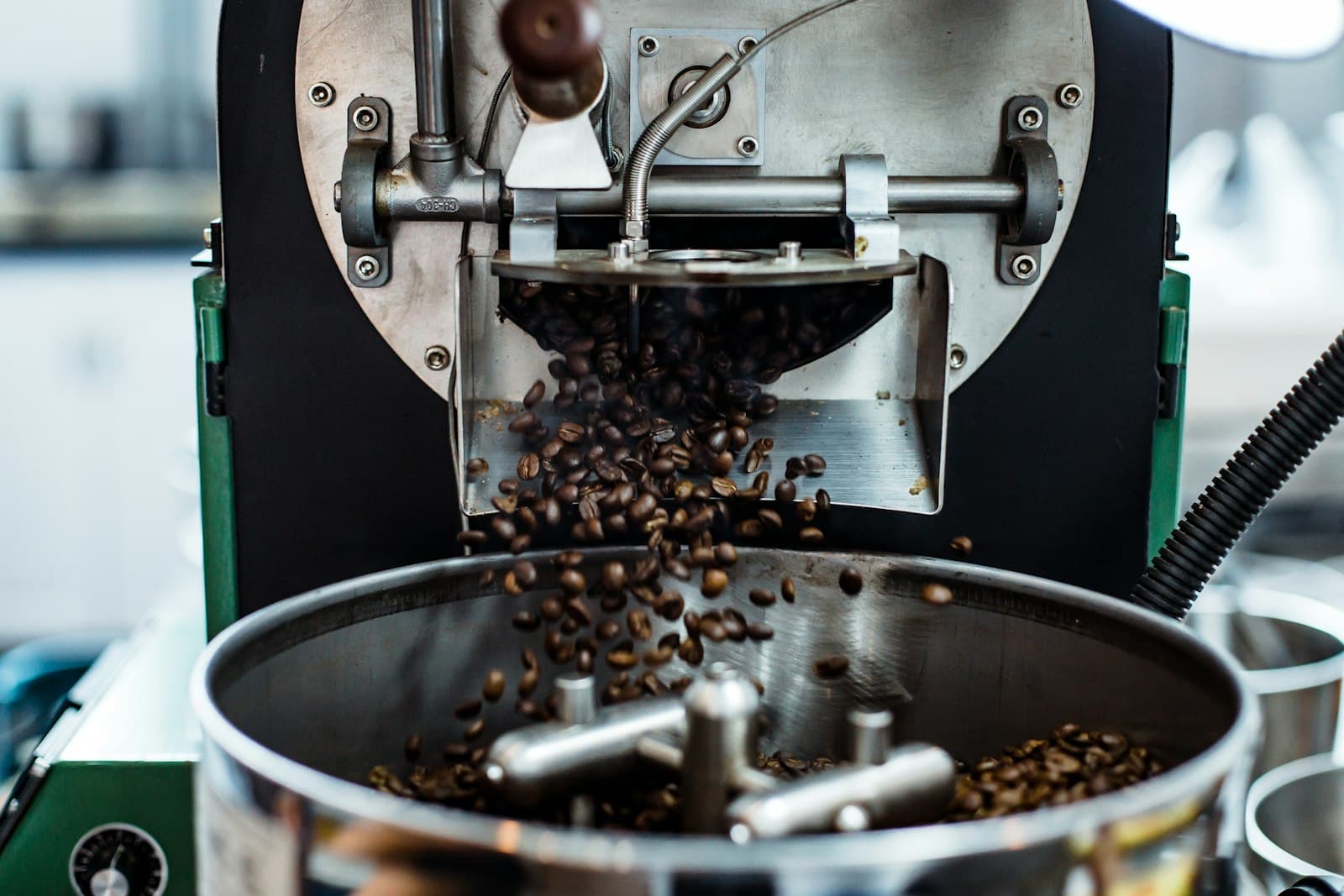
Coffee science · beginner · 5 min
Why Grind Size Changes Coffee Flavor More Than Anything Else
Grind size controls how fast water pulls flavor out of coffee. Too fine turns bitter, too coarse turns sour and thin. Here's the simple extraction logic — and how to dial in any brewer by taste.
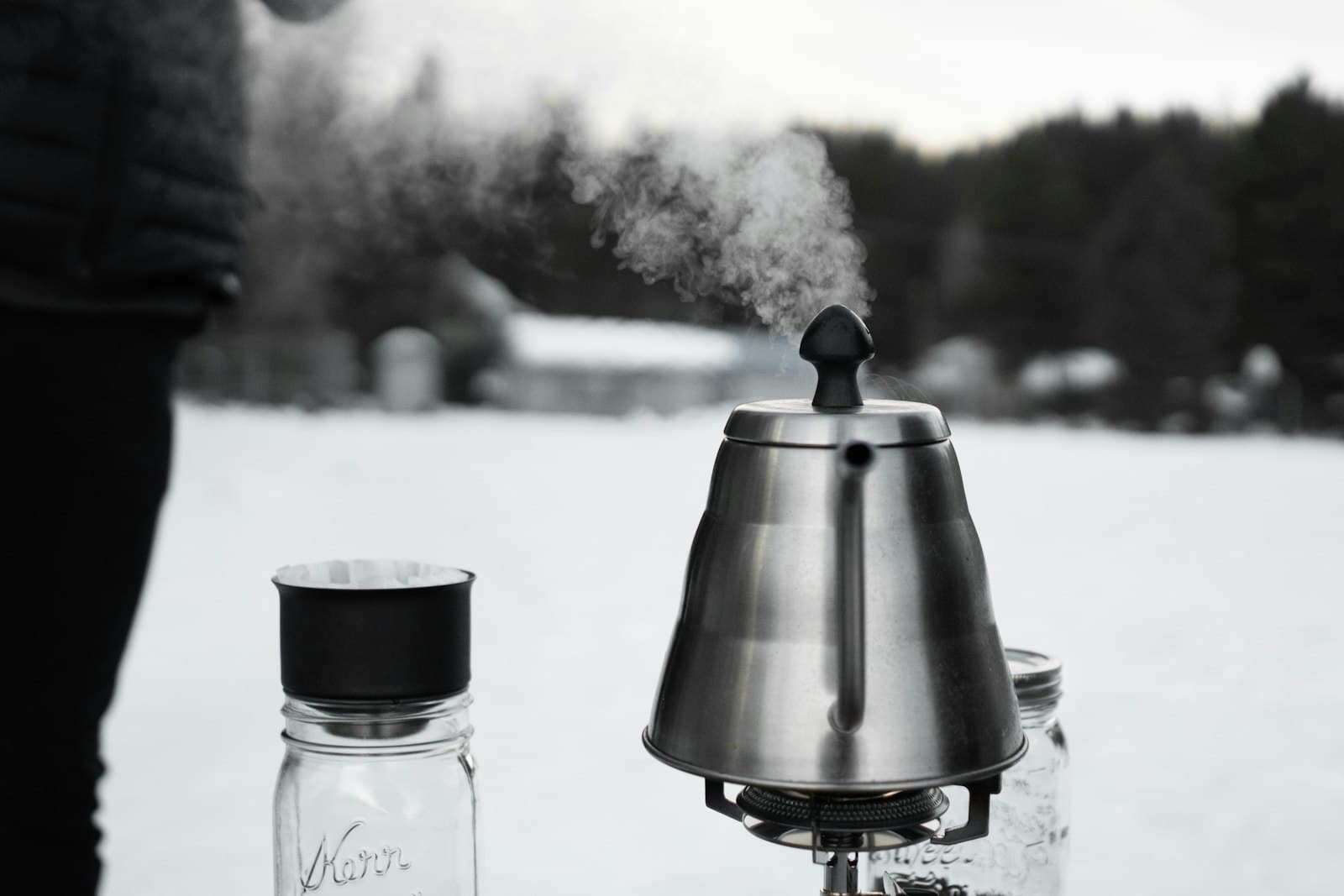
Coffee science · intermediate · 5 min
Water Temperature and Extraction: The 90–96°C Window Explained
Too hot scorches, too cool stalls. Why the standard brewing window works, how roast level shifts it, and how to hit it reliably with or without a variable-temperature kettle.