Coffee basics · beginner · 5 min read
How to Pick the Right Moka Pot Size for Your Kitchen
A moka pot "cup" is about 2 oz, not a regular mug. What 1-cup through 12-cup pots actually brew, a rough household sizing chart, and why buying for your daily cup count beats buying for your maximum.
By The Daily Pour Editorial · Reviewed by Editorial Review · Updated 2026-08-04
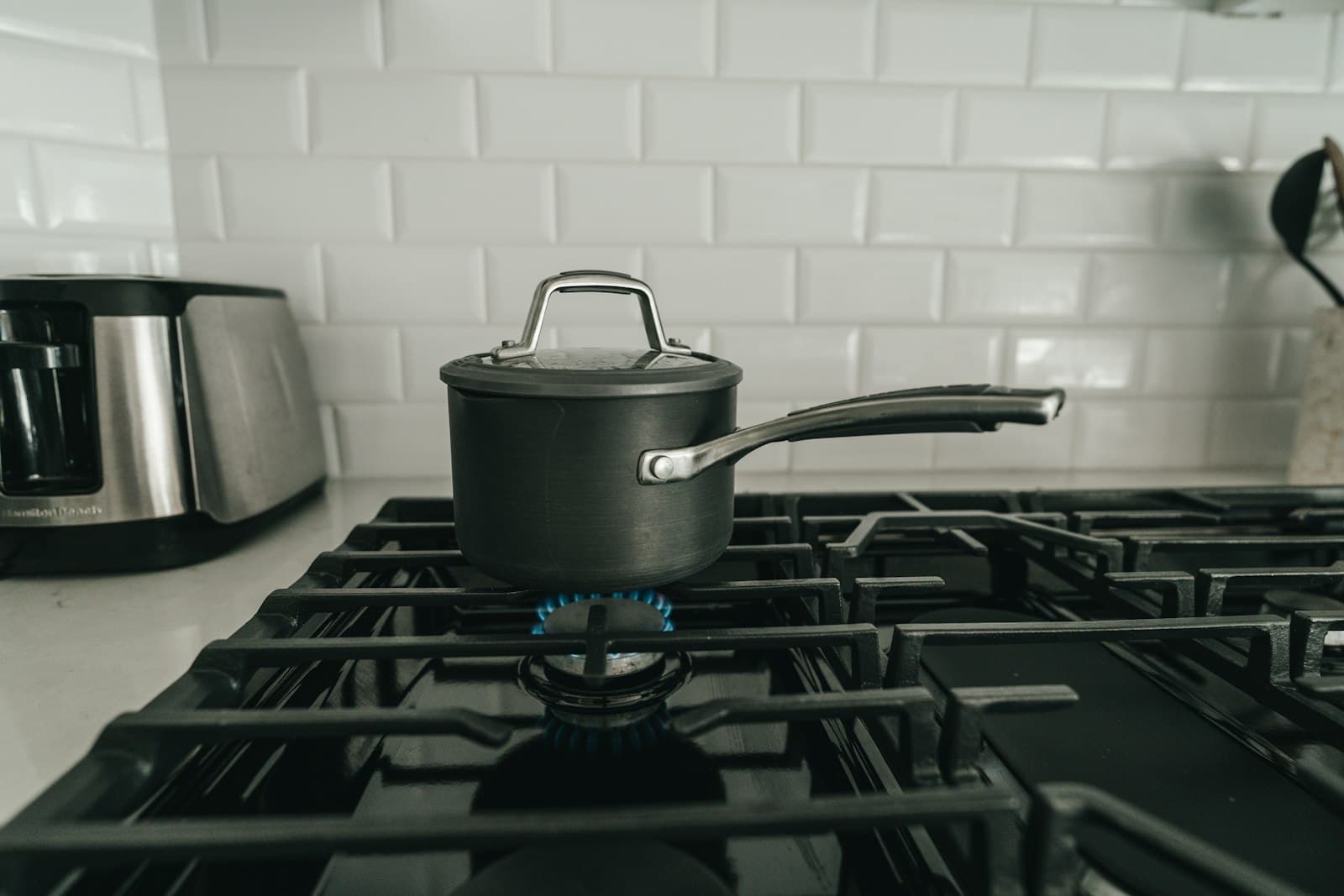
Moka pot sizing trips up nearly everyone buying their first one. Pots are labeled in "cups," so it's easy to assume a 6-cup moka pot works like a 6-cup drip machine and pours six regular mugs. It doesn't. A moka "cup" is a demitasse-style pour, roughly 2 oz (60 ml), about the size of a small espresso cup. A 6-cup pot puts out somewhere around 12 oz total, which lands closer to two small mugs than six.
The cup is an espresso cup, not a mug
Every moka pot size chart uses that same small unit: about 2 oz (60 ml) per "cup," matching an espresso-style demitasse rather than the 8 oz mug in your cabinet. That's roughly a quarter the volume you'd expect from a "cup" anywhere else in the kitchen. Common sizes on the market run 1-cup, 3-cup, 6-cup, 9-cup, and 12-cup, though the exact volume drifts a little from brand to brand, so one maker's 3-cup pot and another's can be off by a splash. Treat the cup count as a rough guide to output, not an exact spec.
| Size | Actual output | Fits |
|---|---|---|
| 1-cup | ~2 oz / 60 ml | One person, occasional single small cup |
| 3-cup | ~6 oz / 180 ml | One person daily, or two people sharing a small pour |
| 6-cup | ~12 oz / 360 ml | Two people daily, or one heavier drinker |
| 9-to-12-cup | ~18-24 oz / 530-710 ml | Three or more people, or entertaining with refills |
Why you can't just brew smaller on a light day
Drip machines forgive you for using fewer scoops when you only want one cup. Moka pots don't work that way. The bottom water chamber gets filled to just below its internal safety valve every time you brew, regardless of how much coffee ends up in the basket, because that valve is a fixed pressure-relief point, not an adjustable fill line. The basket needs similar treatment: fill it level with the rim, don't tamp it (that's an espresso habit, not a moka one), and don't leave it half empty either. A moka pot depends on a fairly full, evenly packed bed of grounds to build the pressure that pushes water up through it.
Run the basket nearly empty and you don't just get "less coffee." Steam finds the gaps in a loose or sparse bed and rushes through before real pressure ever builds, so what comes out tends to be thin, weak, or scorched rather than simply smaller. That's the practical takeaway for buying: size the pot for your typical morning, not your best-case guest list. A 9-cup pot brewed for one person's single mug most days runs poorly on exactly the days you use it. Buy close to what you actually pour on an ordinary Tuesday, and brew a second round on the days you need more, rather than sizing up and running the pot underfilled most mornings.
Stovetop espresso
3-cup aluminum moka pot
The 3-cup aluminum size, about two small mugs' worth, is the compact, single-drinker-daily buy in this lineup, and the size we'd point a first-time buyer toward if they're brewing alone most mornings.
The stovetop classic: strong, espresso-adjacent coffee with no machine and no electricity. It rewards a little practice. Medium heat and pre-warmed water are what tame its bitter streak.
Worth knowing: Easy to over-extract until you learn when to pull it off the heat
A great fit if you…
- 1-cup: someone who wants an occasional single strong pour, not a daily habit
- 3-cup: one person brewing daily, or two people splitting a small pour
- 6-cup: two people daily, or one drinker who wants a bigger mug's worth
- 9-to-12-cup: three or more people, or households that pour refills
Probably skip it if you…
- Sizing up "just in case" when most mornings are one person and one cup; an oversized pot brews poorly underfilled
- Treating a moka pot's cup count as interchangeable with a drip machine's cup count
Take the ratios with you
Join the free newsletter and we'll send the brew ratio cheat sheet, a printable one-pager with ratios, grinds, and times for eight methods.
Keep reading
Brew guide · intermediate · 4 min
How to Use a Moka Pot Without the Bitterness
A moka pot guide built on two rules: hot water in, cut the heat early. Strong, espresso-adjacent coffee, no harshness, plus the gurgle that says stop.
Comparison · intermediate · 5 min
Moka Pot vs Espresso Machine: Is Home Espresso Worth It?
Both brew small and strong. One costs pocket money and works on any stove; one pours true crema after a real learning curve. Who should buy the machine?
Getting started · beginner · 5 min
How to Choose a Coffee Brewing Method You'll Stick With
The best brew method for beginners fits your mornings. Five questions to help you choose between pour-over, French press, drip, moka pot, and cold brew.