Coffee basics · beginner · 4 min read
How Long Do Coffee Beans Actually Last?
Whole beans, ground coffee, and brewed coffee fade on three different clocks. The honest freshness windows for each, how to read a roast date, and when "stale" still makes a fine cup.
By The Daily Pour Editorial · Reviewed by Editorial Review · Updated 2026-07-25
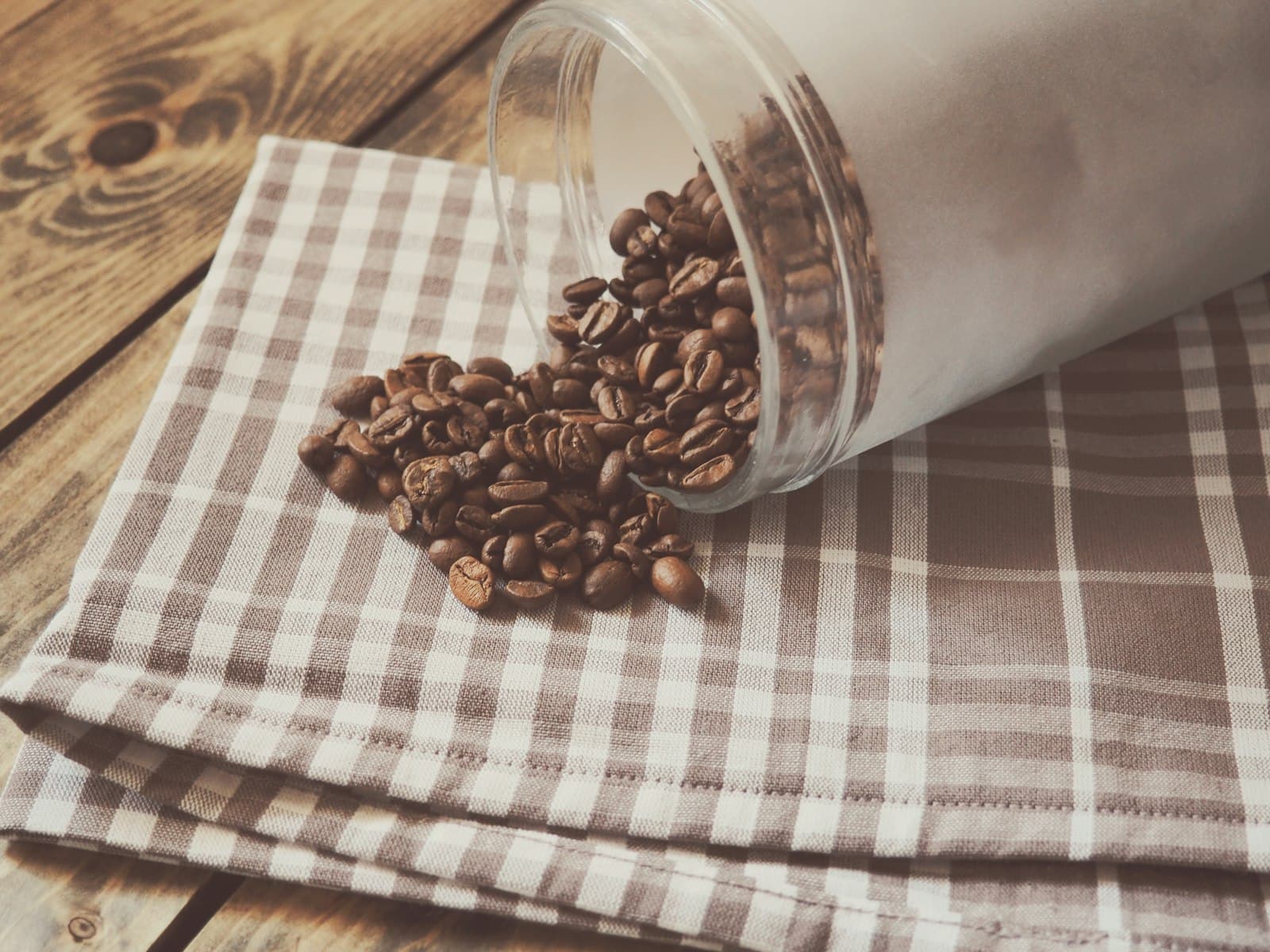
Coffee doesn't have an expiration date so much as a fade. Roasted beans start losing carbon dioxide and aroma the moment they leave the roaster, and that fade speeds up hugely once beans are ground or brewed. "How long do coffee beans last" doesn't have one answer. It has three, one for each stage the coffee passes through.
Three stages, three clocks
Whole beans hold their oils and gases in, so they fade slowest. Grinding shreds that protection open, multiplying the surface exposed to air by roughly a thousand times, so ground coffee stales in days rather than weeks. Brewed coffee is the fastest clock of all: it starts losing its top notes within the hour, mostly to oxidation and evaporation.
| Form | Peak flavor window | Still drinkable |
|---|---|---|
| Whole beans, sealed bag | 2–4 weeks past roast | Up to 3 months, flatter |
| Whole beans, opened & stored well | 1–3 weeks after opening | 4–6 weeks, milder |
| Ground coffee | 30 minutes–1 week | 2–3 weeks, noticeably duller |
| Brewed coffee, room temp | 20–30 minutes | A few hours, harsher |
| Brewed coffee, refrigerated | Same day | 24–48 hours for iced drinks |
Read the roast date, not a best-by date
A sell-by or best-by stamp on a bag is usually a shelf-stability guess, sometimes a year out. The number that actually matters is the roast date, printed by any roaster worth buying from. Count from there, not from the date you bought the bag. A bag that sat on a shelf for two months before you found it is already past its best, no matter how fresh the label sounds.
Storage
Airtight coffee canister with date dial
An airtight, opaque canister slows the fade dramatically once a bag is open. It's the single easiest lever for stretching the whole-bean window without changing anything about how you brew.
A one-way-valve canister that keeps beans away from air and light. It's the cheapest way to protect every other dollar you spend on coffee, and the date dial ends the 'how old is this bag' guessing.
Worth knowing: Holds one standard bag, so heavy drinkers will want a second
Take the ratios with you
Join the free newsletter and we'll send the brew ratio cheat sheet, a printable one-pager with ratios, grinds, and times for eight methods.
Keep reading
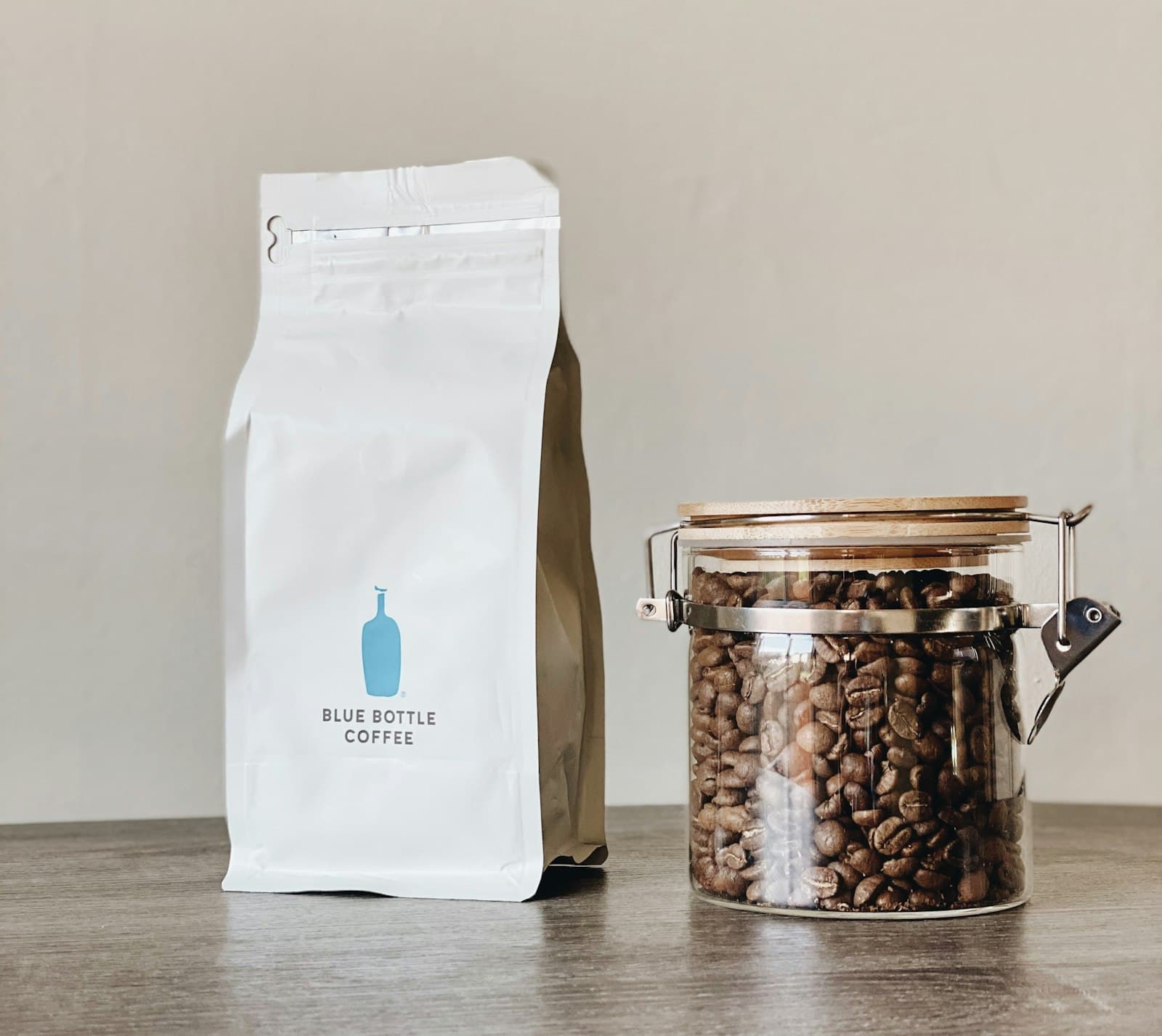
Coffee basics · beginner · 4 min
How to Store Coffee Beans So Week Three Tastes Like Week One
Air, light, heat, and moisture are what stale your coffee, not time alone. The counter rules that keep coffee fresh, what the freezer is really for, and the fridge myth to retire.
Troubleshooting · beginner · 4 min
Why Your Coffee Tastes Weak (and How to Fix It Without Wasting Beans)
Watery coffee comes from too little coffee, a grind that's too coarse, or water rushing through too fast. Here's how to tell weak from sour, and the order to fix things in.
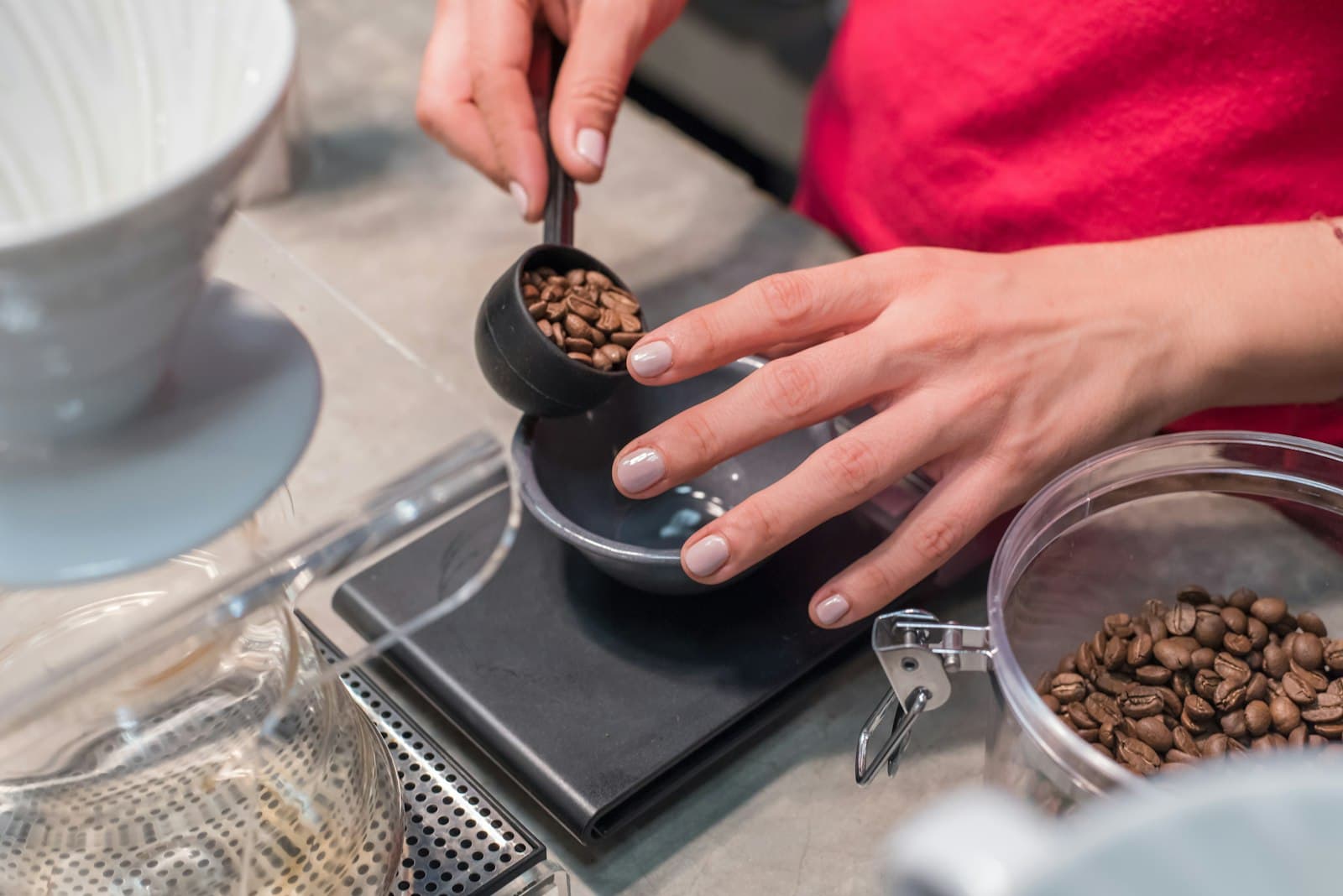
Getting started · beginner · 4 min
The 1:16 Coffee Ratio, and How Much Coffee Per Cup You Actually Need
One gram of coffee to sixteen grams of water is the most reliable coffee to water ratio in home brewing. What it means, how to scale it to any mug, and when to bend it stronger or lighter.