Comparison · beginner · 5 min read
Compact Immersion Press or French Press? Here's the Pick
A compact immersion press makes one clean cup and travels well. A French press pours rich, heavy-bodied coffee for a crowd. Here's our honest pick.
By The Daily Pour Editorial · Reviewed by Editorial Review · Updated 2026-08-11
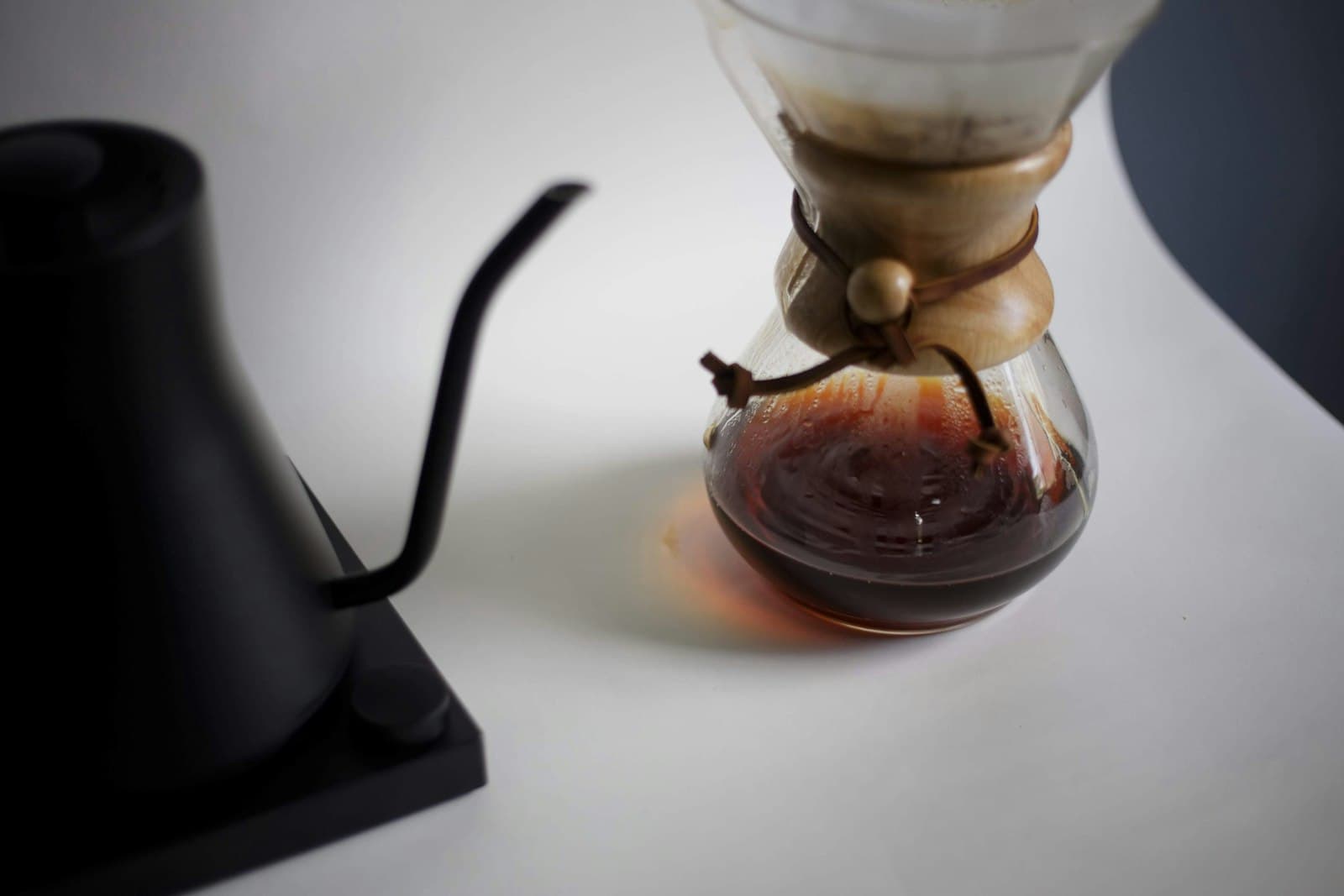
Ask coffee people about compact immersion press vs french press and you'll get strong opinions fast. Both brew by immersion, meaning grounds sit directly in water rather than under a slow trickle. What happens next is where they split, and it's really the whole immersion brewer vs french press debate in one step. A compact press-style immersion brewer pushes water through a paper filter, so the cup that lands in your mug comes out clean and sediment-free. A French press relies on a metal mesh screen, and that screen lets fine particles and natural oils through, producing a heavier, fuller-bodied cup with a little grit waiting at the bottom. Same starting point, two very different cups of coffee.
Cup character and brew time
Brew time separates these two brewers almost as much as the filter material does. The compact immersion brewer moves fast. Steep for roughly a minute, press for another 20 to 30 seconds, and coffee is in your cup in under two minutes total. A French press asks for more patience. A standard steep runs about four minutes, and rushing it pulls a thin, underdeveloped brew. For a weekday morning before a commute, that two-minute head start actually matters.
| Compact immersion press | French press | |
|---|---|---|
| Cup character | Clean, sediment-free, closer to filter coffee | Heavy body, full-bodied, some sediment |
| Brew time | About 90 seconds to 2 minutes | About 4 minutes |
| Cleanup | Pop out the puck and filter, toss it | Rinse grounds from the mesh screen and carafe |
| Capacity | One cup at a time | Enough for two or three mugs at once |
| Travel-friendliness | Plastic body, packs flat in a bag | Glass or heavy carafe, stays on the counter |
Cleanup and capacity, the real dealbreakers
Capacity is the French press's clear advantage. One brew fills two or three mugs, which makes it the better choice for a shared kitchen or a Sunday when guests are over. The compact immersion brewer makes one cup at a time, full stop, so it's built for a single drinker rather than a household. Cleanup runs the opposite direction. The immersion brewer's puck of grounds pops out attached to the paper filter and drops straight into the trash, leaving almost nothing to scrub. A French press needs its mesh screen and carafe rinsed of every last ground, and skipping that step even once leaves a bitter film behind that ruins the next brew.
Travel and everyday convenience
Travel is where the compact immersion brewer pulls ahead outright. It's a small plastic travel coffee press that tucks into a backpack, hotel bag, or desk drawer without much worry, and there's no glass carafe to protect. A French press isn't built for travel. Most are glass, always heavier, and need a stable counter and a sink nearby for cleanup. If your coffee routine travels with you, the compact brewer is really the only one built for that life without babying it.
Immersion brewers
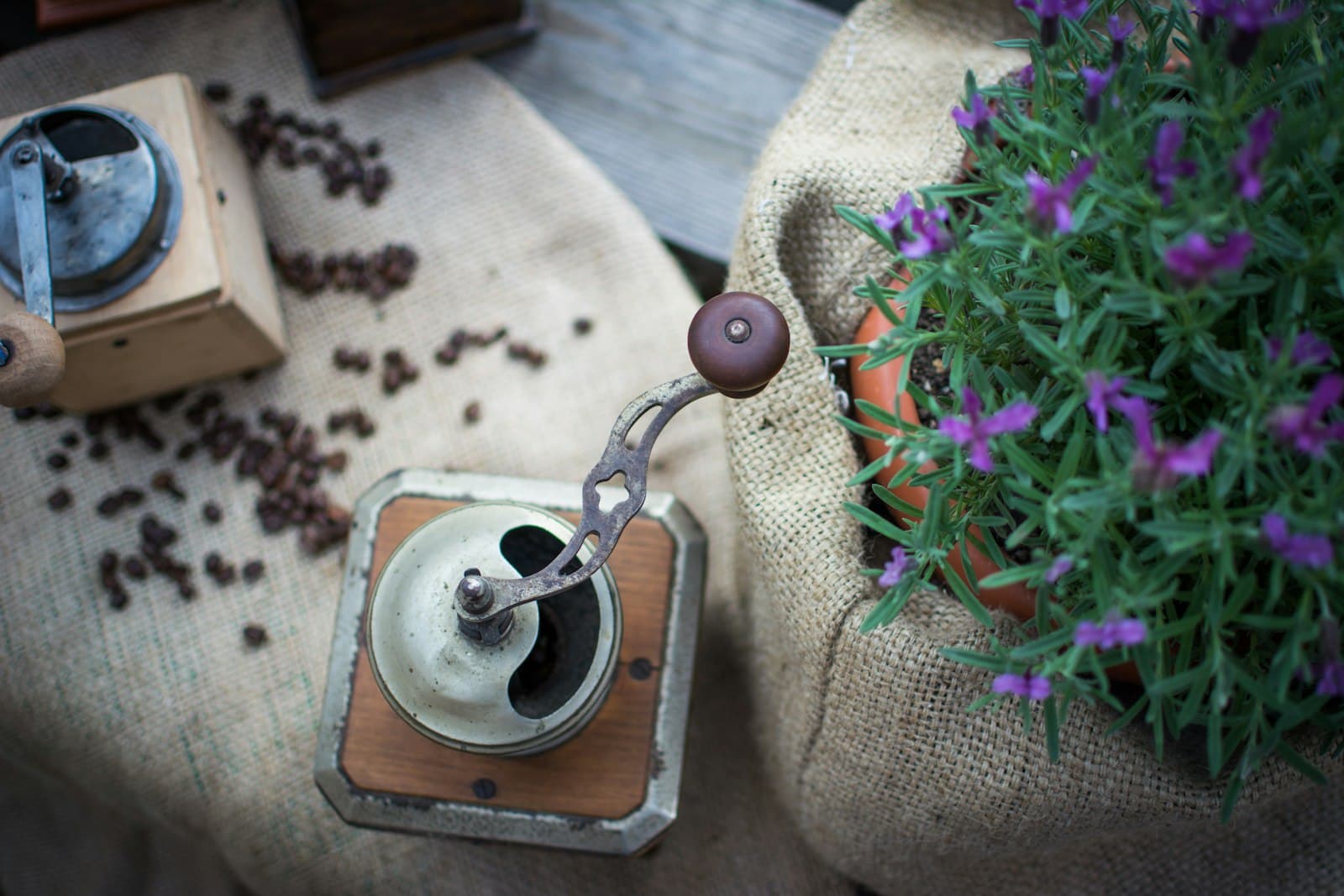
Compact press-style immersion brewer
This compact press-style immersion brewer is built for travel and small kitchens. It survives a backpack, brews a genuinely clean cup, and rewards anyone who likes to tinker with grind size and steep time. The catch is it makes one cup at a time and runs on proprietary filters, so refills mean buying the right ones.
A small plastic immersion brewer that presses through a paper filter. You get French-press ease with a clean, sediment-free cup, and it'll survive a backpack. One cup at a time, though.
Worth knowing: One cup at a time, full stop
Immersion brewers
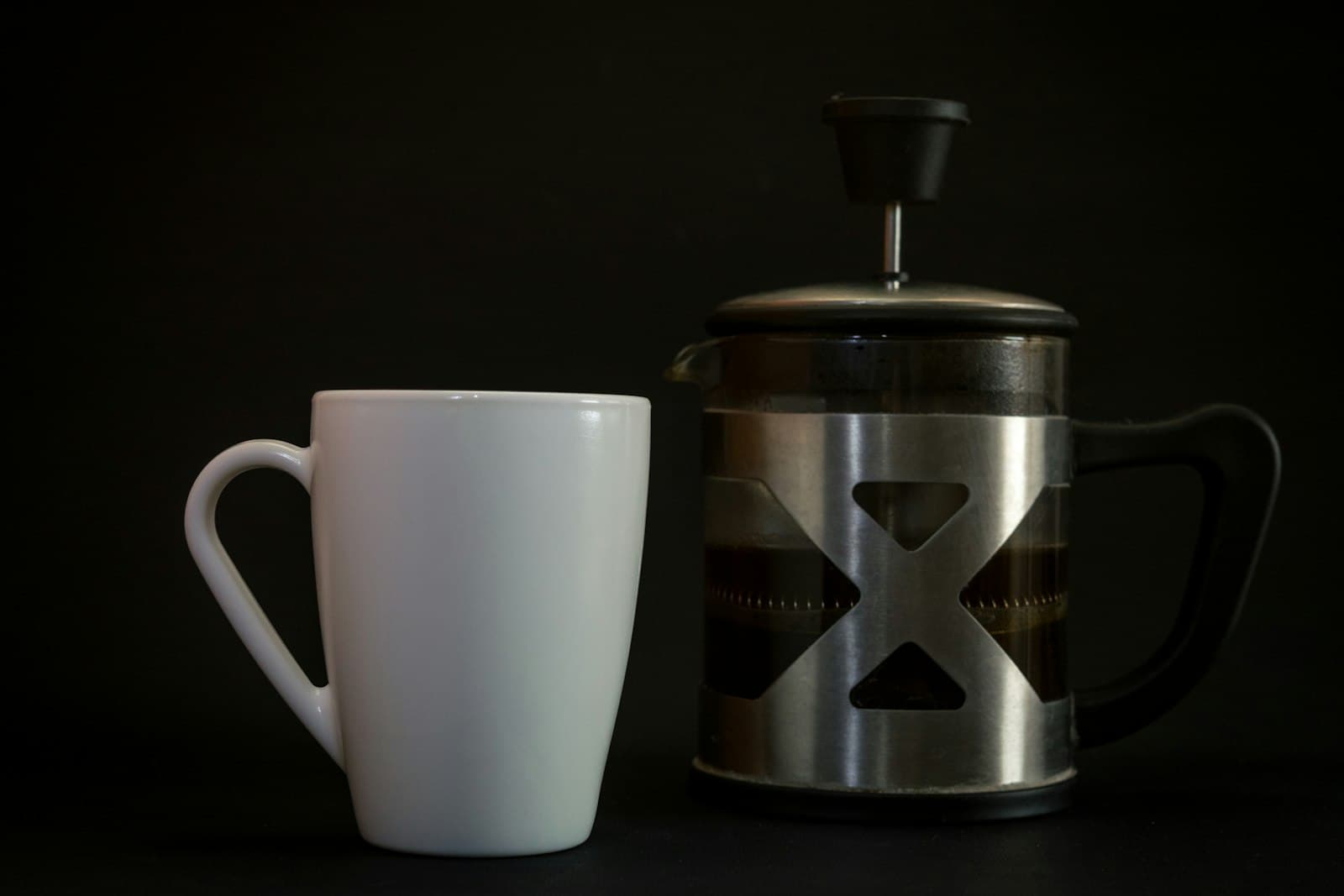
Classic 34 oz French press
The classic 34-ounce French press is the no-technique option. Rich, full-bodied coffee, enough capacity for three mugs at once, and it forgives nearly every mistake except one. Leave the coffee sitting on the grounds too long and it turns bitter fast. Cleanup is the tradeoff. It's the messiest method in this comparison.
Zero technique required, rich full-bodied coffee, and enough capacity for three mugs at once. The French press forgives almost every mistake except one: leaving the coffee sitting on the grounds.
Worth knowing: There's always some sediment in the cup
A great fit if you…
- Immersion press: solo drinkers who travel or work from an office desk
- Immersion press: anyone who wants a clean, filter-like cup without a full pour-over setup
- French press: households or couples pouring more than one mug
- French press: anyone who wants heavy body and zero learning curve
Probably skip it if you…
- Immersion press, if you're regularly brewing for more than one person at a time
- French press, if scrubbing wet grounds out of a mesh screen every morning is a dealbreaker
Take the ratios with you
Join the free newsletter and we'll send the brew ratio cheat sheet, a printable one-pager with ratios, grinds, and times for eight methods.
Keep reading
Brew guide · beginner · 4 min
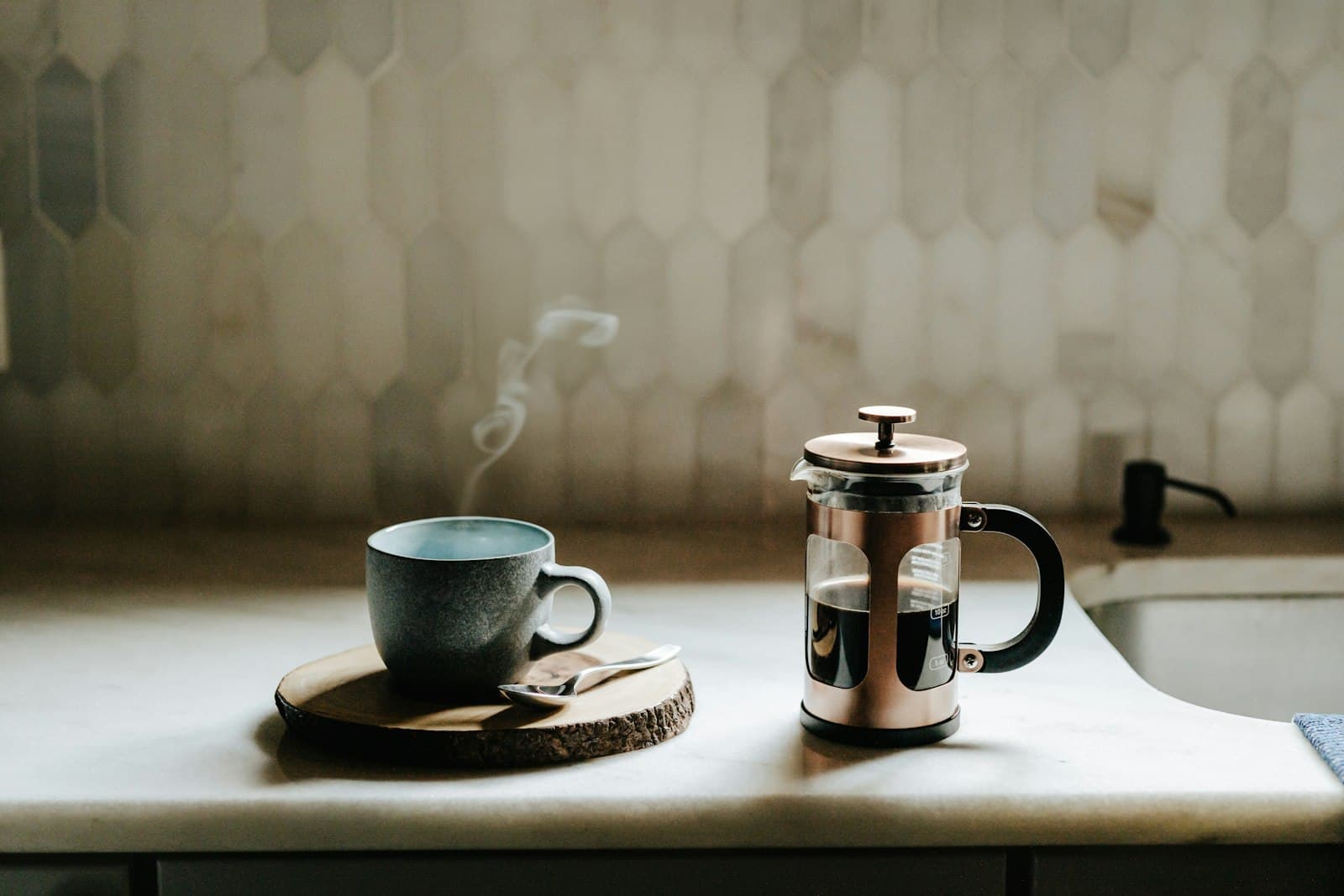
The French Press Guide That Actually Prevents Bitter Coffee
How to use a French press without bitterness: coarse grounds, a 1:15 ratio, a four-minute steep, then plunge and pour it all right away.
Brew guide · beginner · 4 min
Immersion Press Brewing for One Fast, Clean Cup Anywhere
A press brewer guide to the compact cylinder that steeps like a French press and filters like a pour-over. Rich flavor, no sediment, ideal for travel.
Getting started · beginner · 5 min
How to Choose a Coffee Brewing Method You'll Stick With
The best brew method for beginners fits your mornings. Five questions to help you choose between pour-over, French press, drip, moka pot, and cold brew.